
- Home
- Treatments
- Bridges
Treatments
Dental bridges
A bridge fills a gap by anchoring a false tooth to the teeth either side. We make three kinds: adhesive bridges bonded to the back of a neighbouring tooth, porcelain bonded bridges and metal bridges. Bridges are quoted after your examination. Your exact price is confirmed in a written quote after your examination, tailored to you.
Last updated 5 November 2026 · Clinical review before publication: pending
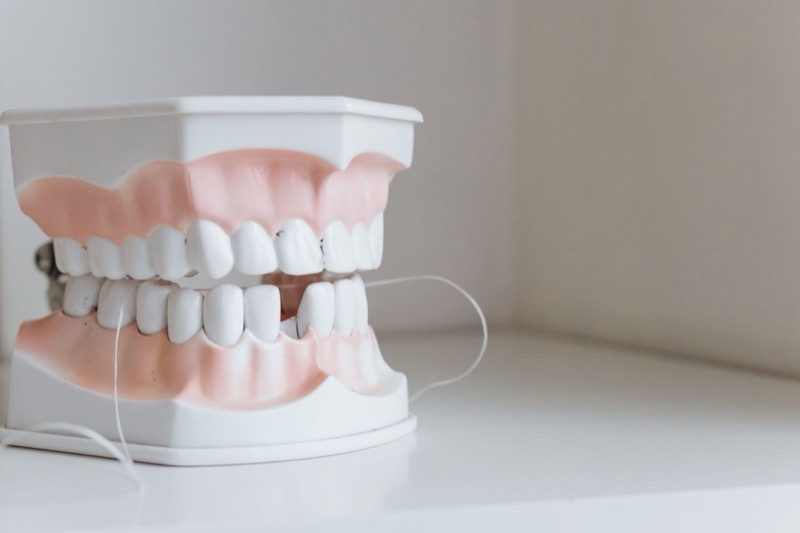
In three steps
How it works
- A gap sits between two healthy teeth.
- The neighbouring teeth support the bridge.
- A replacement tooth fills the gap, fixed in place.
About the treatment
How does a dental bridge work?
A false tooth sits in the gap and is held there by the teeth on either side. Everything depends on those neighbouring teeth, which is the first thing we look at.
An adhesive bridge is bonded to the back of a neighbouring tooth with a thin metal or ceramic wing, and takes very little preparation, so it is often the first thing to consider for a single front tooth. A porcelain bonded bridge is porcelain over a metal substructure and needs the supporting teeth prepared like crowns. A metal bridge is the sturdier option at the back where it will not be seen.
The bridge is made by a dental laboratory from impressions, so it normally takes two appointments.
Your options
Bridge, denture or implant?
Three ways to deal with a gap, and the right answer depends on your mouth. Here is the honest comparison.
| Option | What it involves |
|---|---|
| Bridge | Fixed in place, held by the teeth either side, which usually need preparing |
| Partial denture | Comes out for cleaning, no work needed on other teeth |
| Implant | Stands on its own in the jaw, not everyone is suitable, consultation first |
Doing nothing is also an option we will discuss, particularly for a back gap that nobody sees. Your exact price is confirmed in a written quote after your examination, tailored to you. See the plans or the fee guide.
Good to know
Worth knowing before you say yes
A bridge leans on the teeth holding it. Those teeth usually have to be prepared, they can decay underneath where cleaning is harder, and if one of them fails the whole bridge comes off with it. Cleaning under a bridge every day with floss threaders or interdental brushes is part of the deal.
If the supporting teeth are heavily filled or the bite is heavy, we will say so before you commit, because that changes how long a bridge is likely to last.
Questions
Common questions
How much does a dental bridge cost at Cestria Dental Practice?
Bridges are quoted after your examination, because the price depends on the type of bridge, how many teeth it spans and what the laboratory makes. We look at the gap and the teeth either side first. Your exact price is confirmed in a written quote after your examination, tailored to you.
What types of bridge do you do?
Three. Adhesive bridges, bonded to the back of a neighbouring tooth with very little preparation. Porcelain bonded bridges, which are porcelain over a metal substructure. And metal bridges. Which one suits depends on where the gap is and how strong the teeth either side are.
Is a bridge better than a denture or an implant?
It depends on the gap and the teeth around it. A bridge is fixed and uses your own teeth as support. A partial denture comes out for cleaning, and is from £360 here. An implant stands on its own but needs a consultation first. We will go through all three.
How do you clean under a bridge?
You cannot floss under a bridge the normal way, so it needs threading floss or interdental brushes underneath it every day. Plaque left under a bridge causes decay in the supporting teeth, which is the usual reason a bridge fails.
This page is general information, not personal advice. Ask us or see a dentist about your own teeth.
Membership
A plan for your routine care
A monthly plan covers the routine care that keeps your mouth healthy, with a members’ rate on further treatment, set out in your written quote. Pay by Direct Debit, with no surprise bills.
From February 2027: Silver £19.50, Gold £26.50, Bronze £8.95, annual registration scheme £57.95.
- Bronze£5.86 a monthFor complete denture wearers only: a yearly examination and a members’ rate on denture work, set out in your written quote
- Silver£16.00 a month2 examinations, 2 hygiene visits, x-rays, a members’ rate on further treatment, set out in your written quote
- Gold£22.95 a month2 examinations, 4 hygiene visits, x-rays, a members’ rate on further treatment, set out in your written quote
Your first appointment
What happens next
-
Get in touch
Send the enquiry form or call 0191 388 3389. Tell us if you are nervous or if something already hurts.
-
We call you back
We ring you within one working day and find a time, usually within the week.
-
Your first visit, £85
Teeth, gums, bite and an oral cancer check, with x-rays if they are needed. Long enough to talk, no rushing.
-
Your plan
A written plan with prices: the options, what each costs, and what can wait. Nothing goes ahead without your say so.
Keep reading
Related treatments and guides
Ready when you are
Call us, or send the form and we will ring you back. New patient examinations are £85, or covered by a plan from £16 a month.
0191 388 3389